Cybersafety Research Center
Cybersafety Research Center (formerly Cybersecurity for Democracy) is a multi-university center for problem-driven research and research-driven policy. We conduct cutting-edge computer science research to better understand the distorting effects of algorithms and AI tools on large online networks and how they affect safety, public health, and democracy. We work with platforms and regulators to help all parties understand the implications of our findings and develop solutions.
Featured content

The Company that Cried Teen Safety
Meta settled on kids safety cases; now what?
As part of a landmark settlement with 47 Attorneys General on August 26th, Meta agreed to implement a number of design changes meant to make their platforms safer for children. Click the link below to read more about our response.
Social Media Kids’ Safety Tools are Falling Short: Our New Report
New research from CRC: our study of child safety tools on Instagram, TikTok, Snapchat, and YouTube. Across all four platforms, we find that approximately 60% of these tools are broken, buried, or simply missing. Click the link below to read more about the report.
What Online Platforms Can and Must Do to Help Mitigate Escalating Political Violence
Our Policy Director Yaël Eisenstat co-hosted a group of experts in January to consider what role online platforms are playing in potentially fueling political violence and what they could and should do to mitigate these multidimensional threats, especially in the run up to the November midterm election in the United States. Together with Tech Policy Press CEO Justin Hendrix, we launched the report “Political Violence in the Digital Age: What Online Platforms Can Do to Mitigate Escalating Threats.” Click the link below to read more about the report.
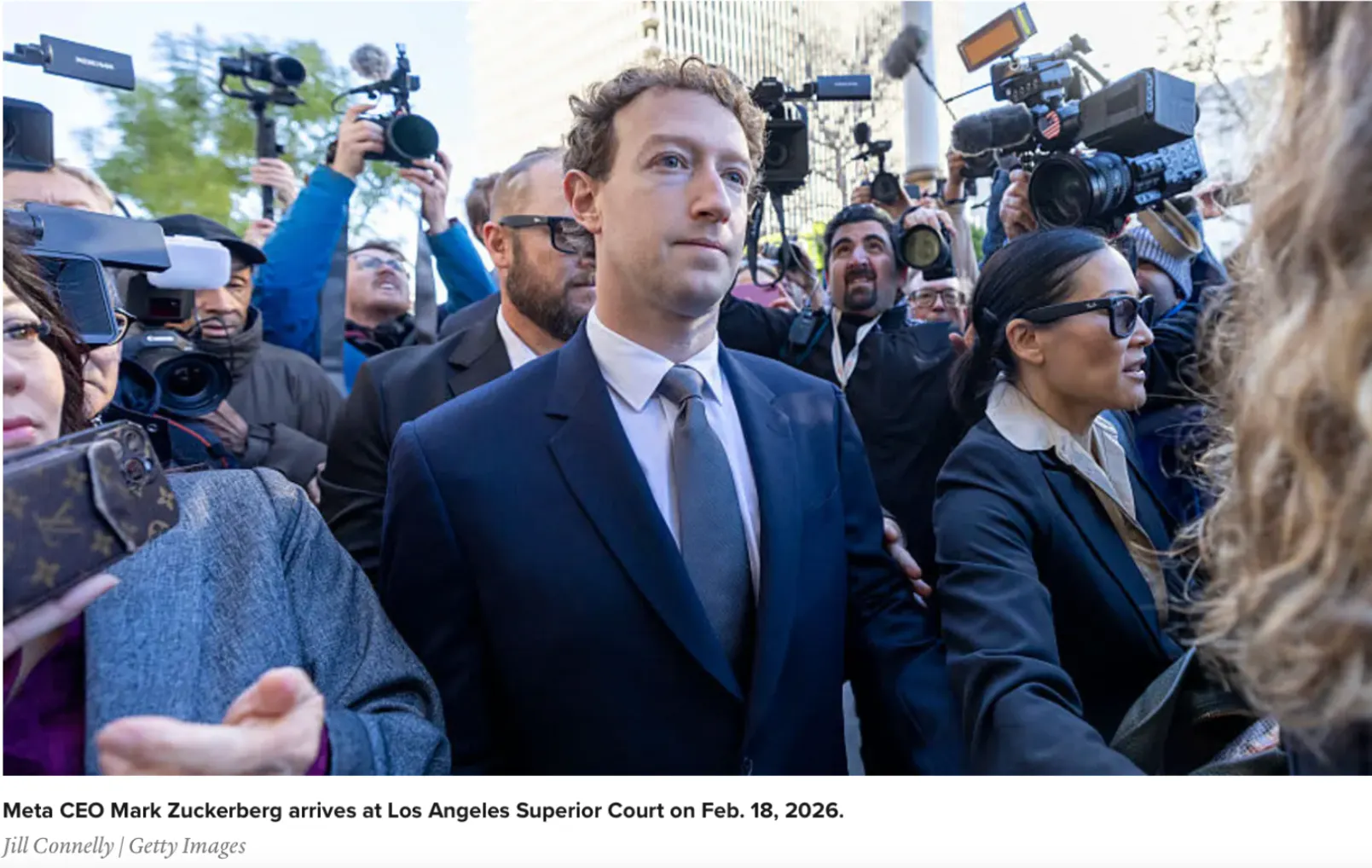
C4D and the Courts: Meta Guilty Verdicts.
In a first-of-its-kind moment, Meta was found guilty of harming young users in two separate jury trials this week, in Los Angeles and New Mexico. C4D research and education efforts to explain how these products actually work and where companies have fallen short of their promises to keep users safe are helping finally turn this tide towards accountability. Click the link below to read more about our involvement in these cases and our research.

The Locknet: How China’s Internet Control System Shapes the Digital World.
The Locknet has already reshaped the internet inside China, and its influence is leaking out into the rest of the world. If we don’t take steps now — to diversify circumvention, defend open standards, and provide alternative information — we risk waking up one day to find that the ability for network controllers to censor and surveil has been baked into the very infrastructure of the global internet.
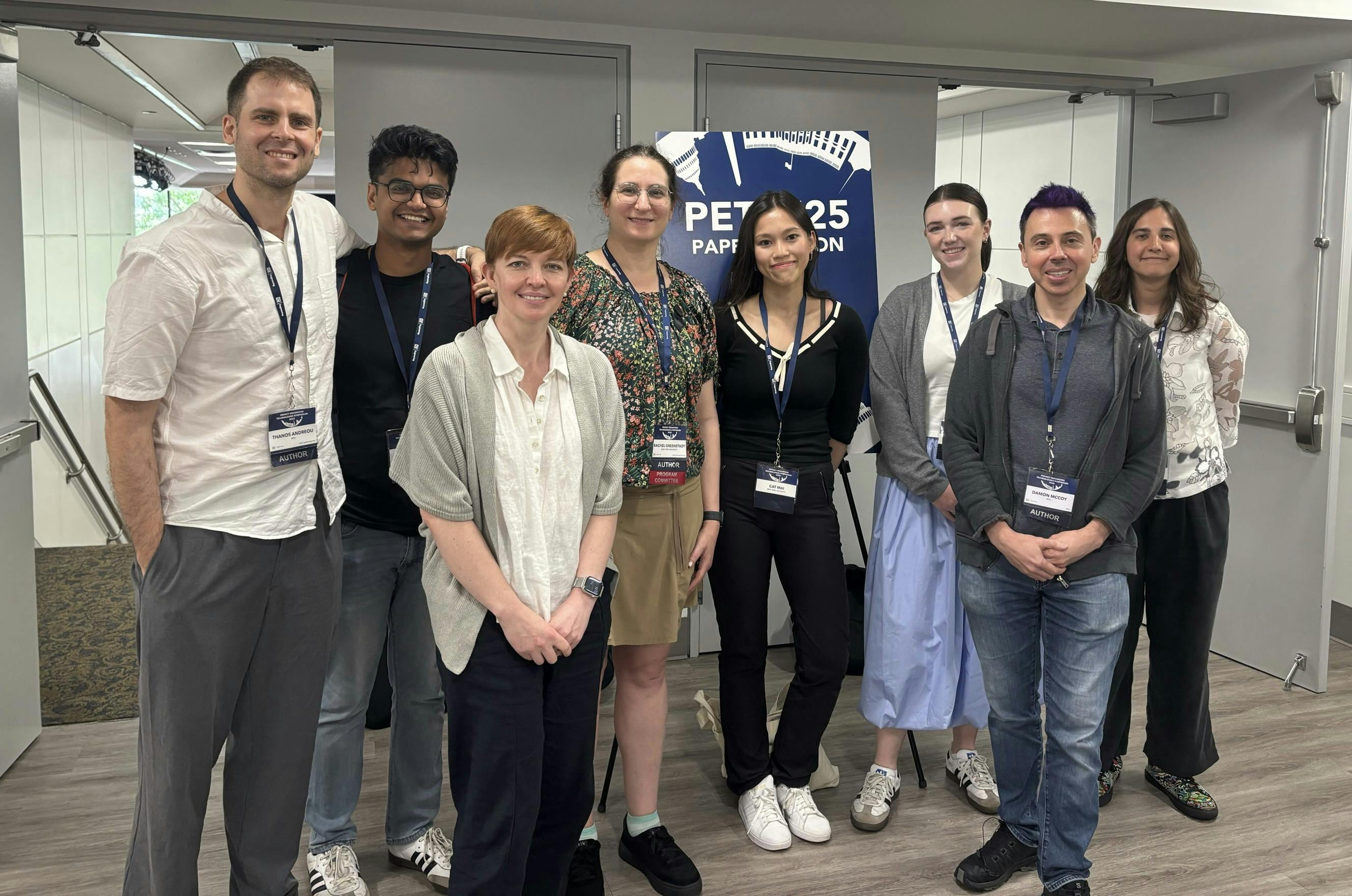
CRC Researchers bring home prizes from privacy-enhancing technologies conference
Two of our researchers won awards at this year's Privacy Enhanced Technology Symposium (PETS)! Julia's research on how online trackers are often configured to collect sensitive personal data, and Cat's research on how enabling Google's privacy features actually results in a worse user experience were both published in the PETS journal.
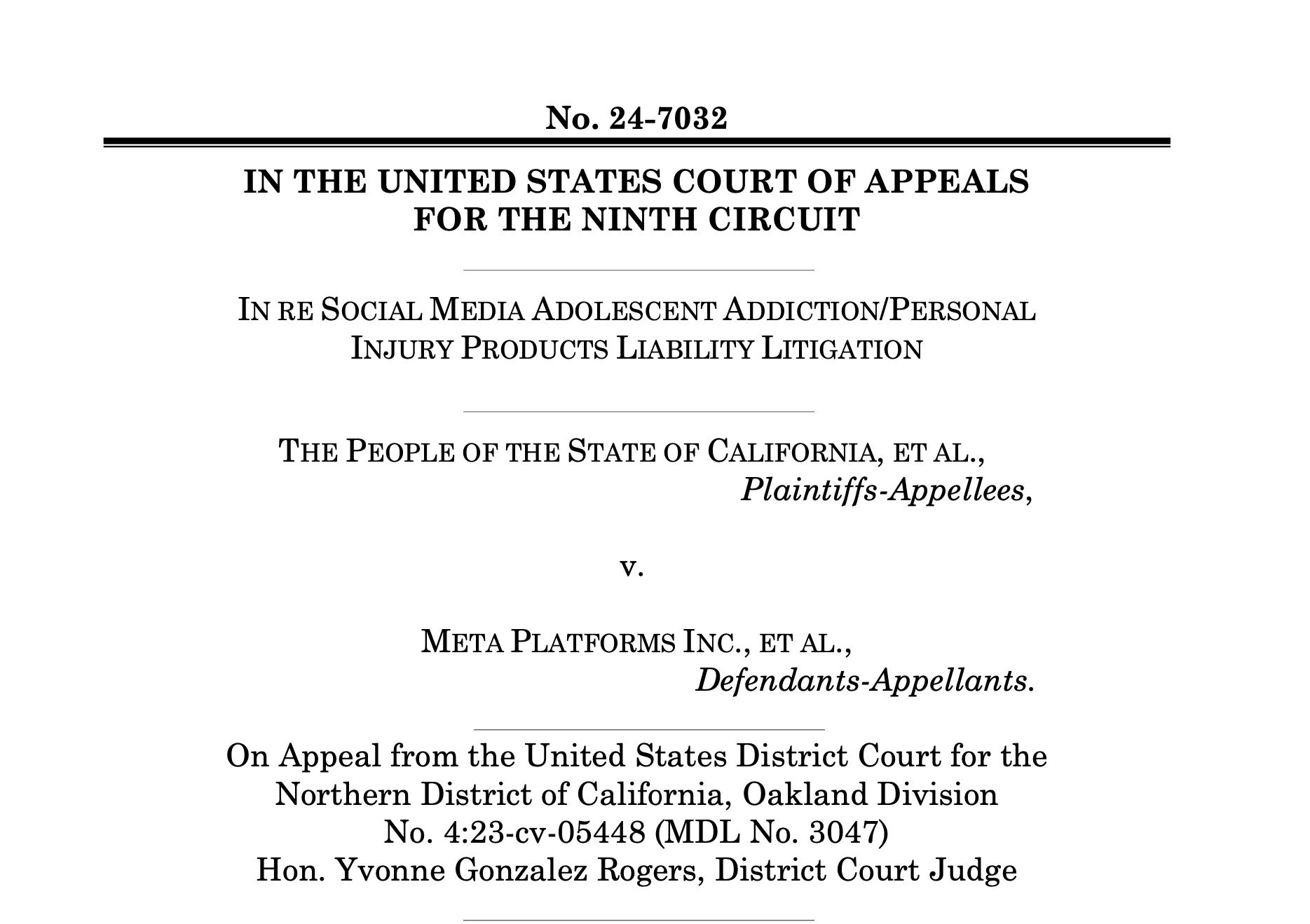
C4D partners with legal and social media experts on amicus brief in MDL case against Meta.
A swath of potentially consequential cases for kids’ online safety are making their way through U.S. courts that focus on how Meta’s design features and choices allegedly harm young users. We partnered with legal and social media experts on an amicus brief in the multi district litigation (MDL) case against Meta, explaining why Section 230 should not apply in this case.
How you can help
Join our newsletter
Keep up to date with our latest news, blog posts, and projects.
Latest
Recent Research
More research